Indoor vs outdoor event venues: which is right for your event?
Live
・
July 10, 2026

Live
・
July 10, 2026
There's a reason indoor venues remain the first choice for conferences, awards evenings, product launches and business presentations.
Control.
When you're hosting an important event, certainty matters. You know the lighting will remain consistent throughout the day. You know presentations won't compete with traffic noise or unexpected weather. You know every guest will be comfortable, regardless of whether it's pouring with rain in November or thirty degrees in July.
For events centred around presentations, keynote speakers or live demonstrations, indoor spaces create an environment where people can focus entirely on what's happening in front of them. Professional sound systems ensure every word is heard clearly, lighting can be adjusted to suit the occasion, and technology becomes part of the experience rather than something organisers have to work around.
There's also a certain confidence that comes with an indoor venue. Timings remain predictable, logistics become easier to manage and organisers spend less time worrying about the elements and more time concentrating on delivering an exceptional event.
But while indoor spaces offer structure, they can sometimes lack something that's becoming increasingly important.
Freedom.
After several hours in the same room, even the most engaging event can begin to feel repetitive. Guests naturally become restless, conversations become confined to coffee breaks and the atmosphere risks feeling overly formal.
Modern corporate events have evolved beyond that.
Businesses are no longer looking for venues that simply accommodate people. They're looking for spaces that encourage interaction.
Step outside for a moment and everything changes.
People spread out instead of clustering around tables. Conversations become more relaxed. Networking starts to feel less like work and more like catching up with old friends. Guests naturally move around the space, introducing themselves to people they might never have spoken to inside a traditional conference room.
There's something about being outdoors that changes the pace of an event.
Whether it's a summer party, networking evening, product launch or company celebration, fresh air creates an atmosphere that's difficult to recreate indoors. Music feels different. Food tastes better. Drinks last longer. People smile more.
It's not simply about sunshine, although that certainly helps.
It's about creating an environment where people don't feel confined.
For businesses investing significant budgets into corporate events, that's becoming increasingly valuable. After years of remote meetings and video calls, people crave genuine experiences. They want events that feel social rather than scheduled, memorable rather than mandatory.
Outdoor spaces naturally encourage exactly that.
One of the biggest changes in the events industry over the past few years is the way businesses structure their events.
Very few corporate events follow a single format anymore.
A conference begins with breakfast networking before moving into keynote presentations. Product launches combine demonstrations with drinks receptions. Summer parties start with afternoon team activities before transforming into evening celebrations. Awards ceremonies often move from welcome drinks to dinner, speeches and entertainment across several hours.
Trying to host every part of that journey in exactly the same room can make an event feel static.
Instead, organisers are increasingly looking for venues that allow guests to move naturally between different environments, creating distinct moments throughout the day without ever leaving the venue itself.
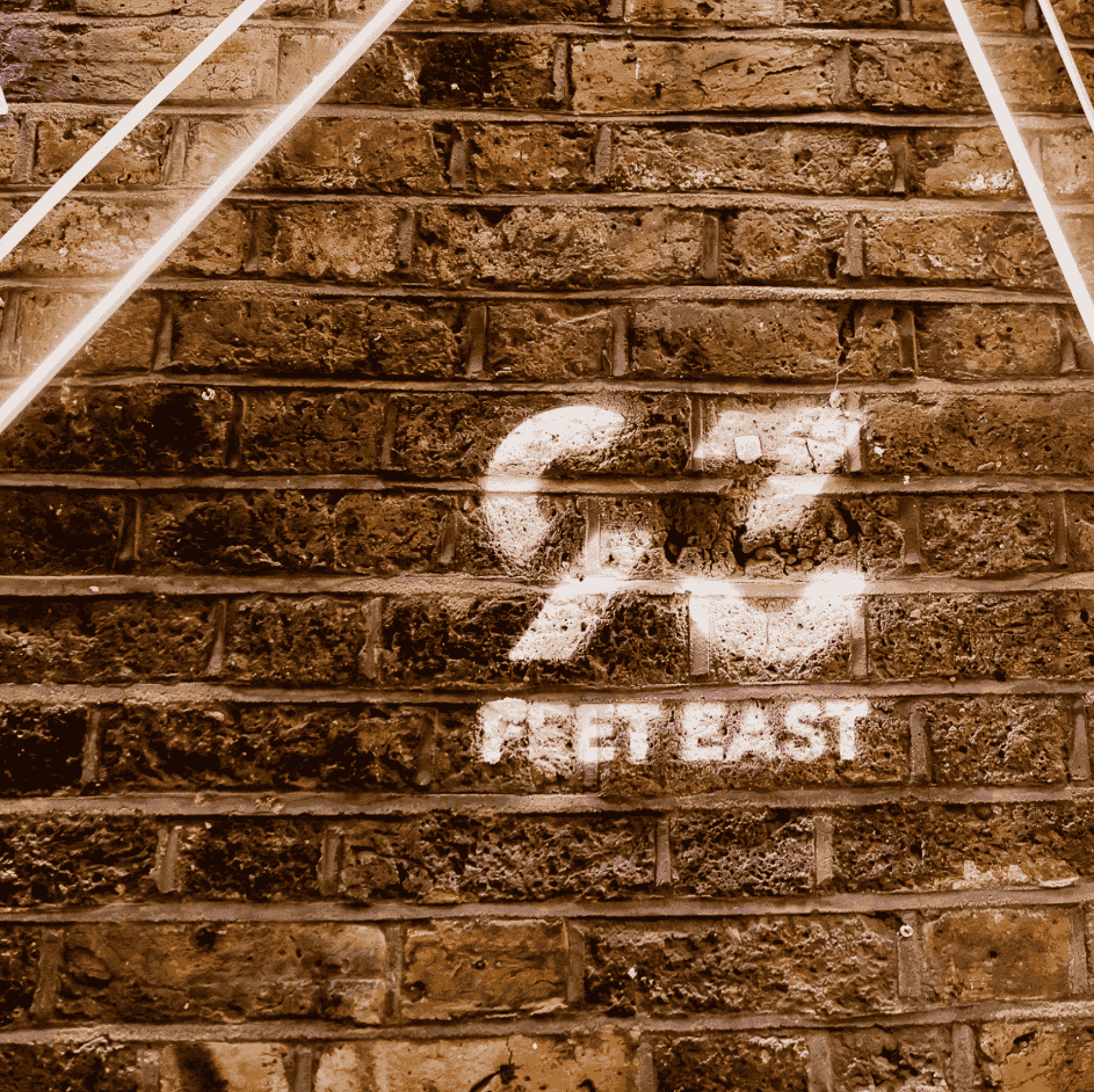
This is where venues like 93 Feet East come into their own.
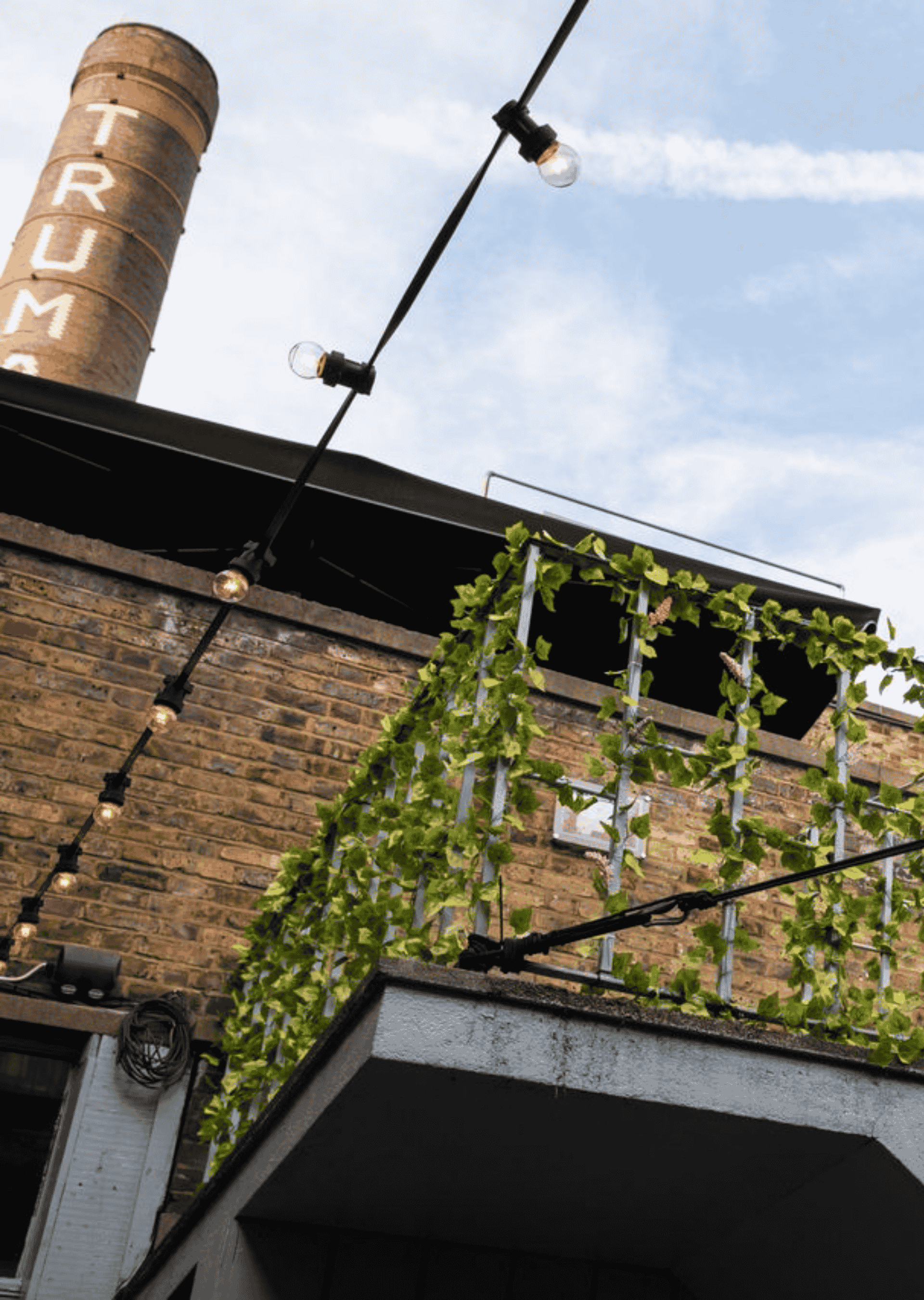
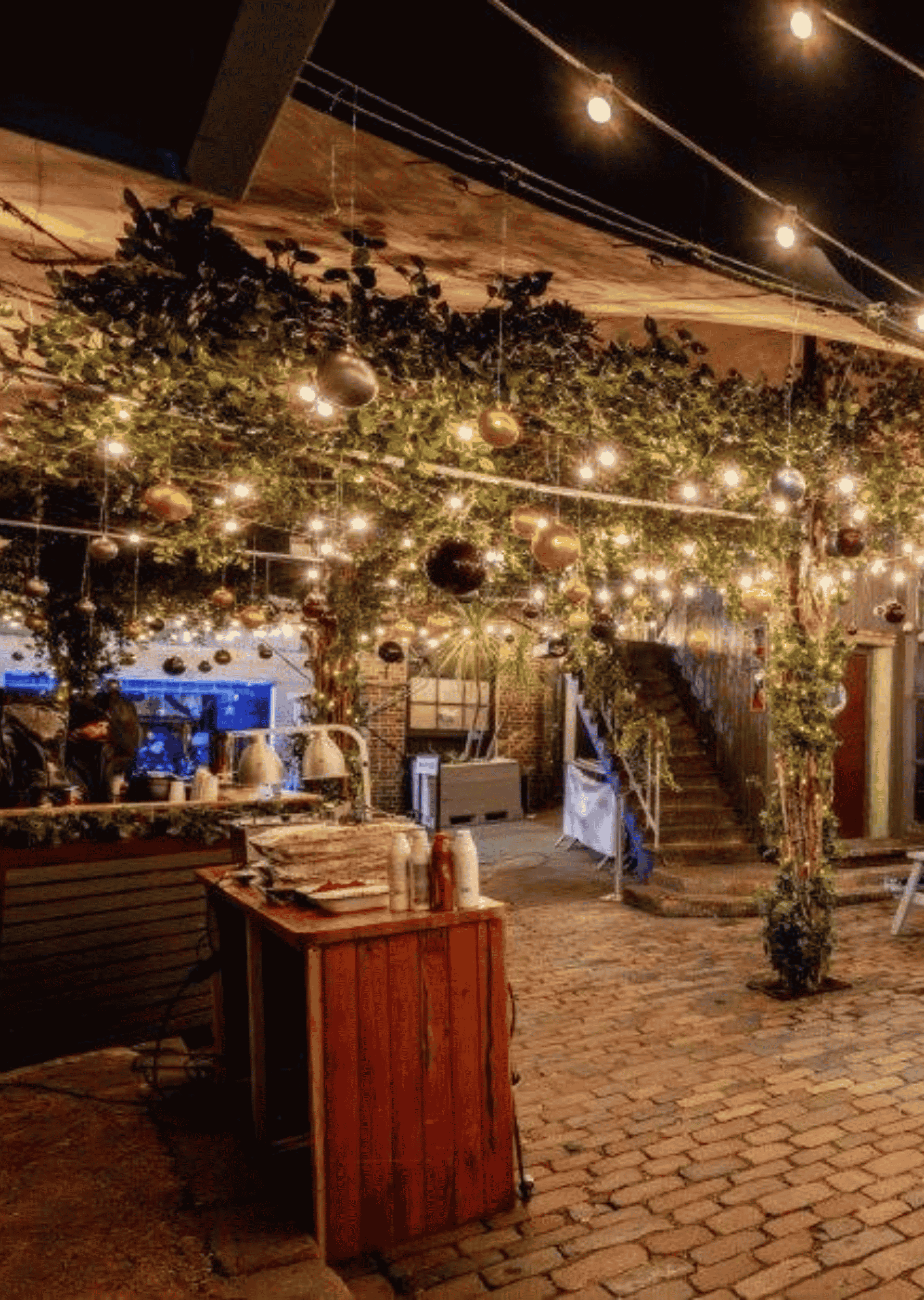
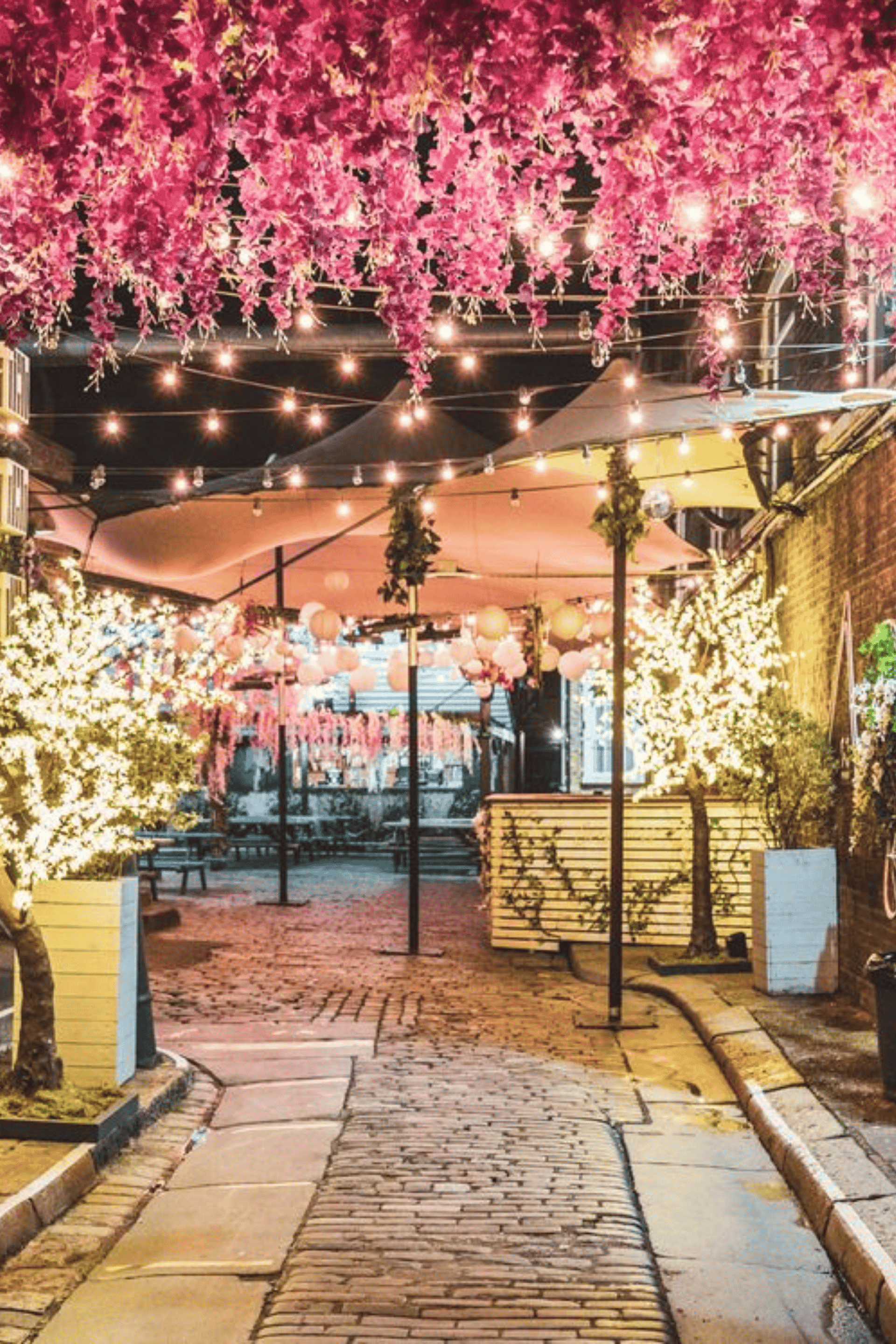
Rather than forcing organisers to compromise, the venue combines expansive indoor event spaces with one of East London's most iconic outdoor courtyards. Guests might arrive outside with coffee in hand before moving indoors for presentations. As the formal agenda draws to a close, the event can effortlessly transition back outdoors, where conversations continue over food, drinks and live entertainment.
Nothing feels forced.
The day simply evolves.
That flexibility doesn't just improve the guest experience. It gives organisers far more creative freedom when designing the event itself.
There's no such thing as a perfect venue for every occasion because every event has a different objective.
If you're hosting an awards ceremony, you'll probably prioritise staging, lighting, production and creating a sense of occasion.
A product launch might focus on presentations, demonstrations and carefully controlled branding.
A networking evening needs space for people to circulate naturally rather than remaining seated.
Meanwhile, a summer party is all about atmosphere, entertainment and creating opportunities for colleagues to relax together outside of the workplace.
The mistake many organisers make is assuming one type of venue can deliver all of those experiences equally well.
In reality, the most successful events are those where the venue adapts to the event rather than forcing the event to adapt to the venue.
Of course, this is Britain.
No conversation about outdoor events would be complete without mentioning the weather.
It's the first question organisers ask and understandably so.
What happens if it rains?
The reality is that experienced venues plan for exactly that.
The best events don't rely on perfect sunshine. They rely on thoughtful planning, adaptable layouts and the ability to move effortlessly between indoor and outdoor spaces whenever conditions change.
That's another reason flexible venues have become increasingly popular across London. Instead of placing all your hopes on a weather forecast made two weeks before the event, you build contingency into the event from the very beginning.
If the sun shines, fantastic.
If the weather changes, your event continues without guests ever feeling like Plan B has been activated.
Location matters just as much as the venue itself.
Brick Lane isn't somewhere people simply travel to before leaving again.
It's somewhere they explore.
Before an event starts, guests grab coffee from independent cafés tucked away down side streets. Afterwards, conversations continue over dinner, rooftop drinks or a wander through one of London's most recognisable neighbourhoods.
That creates something far more valuable than an itinerary.
It creates memories.
People don't remember where the projector screen stood or whether the chairs were arranged theatre-style or cabaret. They remember the atmosphere, the conversations, the unexpected moments and the feeling of spending a day somewhere that genuinely reflected the creativity and energy of London.
That's what makes East London different.
And it's why businesses from creative agencies and global brands to fast-growing start-ups continue choosing Brick Lane as the backdrop for product launches, networking events, company celebrations and corporate parties.
The honest answer is neither.
Indoor venues offer structure, comfort and certainty. Outdoor spaces create energy, movement and atmosphere.
The most successful corporate events don't choose one over the other.
They use both.
By allowing guests to move naturally between environments, organisers create events that feel dynamic instead of predictable, relaxed instead of rigid and memorable instead of simply well organised.
At 93 Feet East, that's exactly how we've been hosting events for years. Situated in the heart of Brick Lane, our versatile indoor spaces and iconic outdoor courtyard give businesses the freedom to create conferences that don't feel confined, networking evenings that flow effortlessly and summer parties that capture everything people love about East London.
Because when the venue works with your event instead of limiting it, your guests stop thinking about whether they're inside or outside.
They simply remember having a brilliant time.