The end of the hotel conference suite? Why brands want more from their events
Corporate events
・
July 10, 2026

Corporate events
・
July 10, 2026
Let's be honest for a second.
Nobody has ever walked into a hotel conference suite, admired the patterned carpet, nodded approvingly at the beige partition walls and thought, "Now this... this is exactly where I'd launch the biggest product of the year."
For decades, hotel conference suites were the default answer to almost every corporate event. They were practical, easy to book and usually came with unlimited tea, slightly overenthusiastic air conditioning and enough stackable chairs to host a small army. They did the job, and for a long time that was enough.
But corporate events have changed. More importantly, the people attending them have changed.
Today's guests expect more than a projector, a buffet and a room with no windows. Whether it's a product launch, a networking evening, a Christmas party or a company celebration, businesses are no longer simply hiring a venue. They're creating an experience, and the venue has become one of the biggest statements a brand can make.
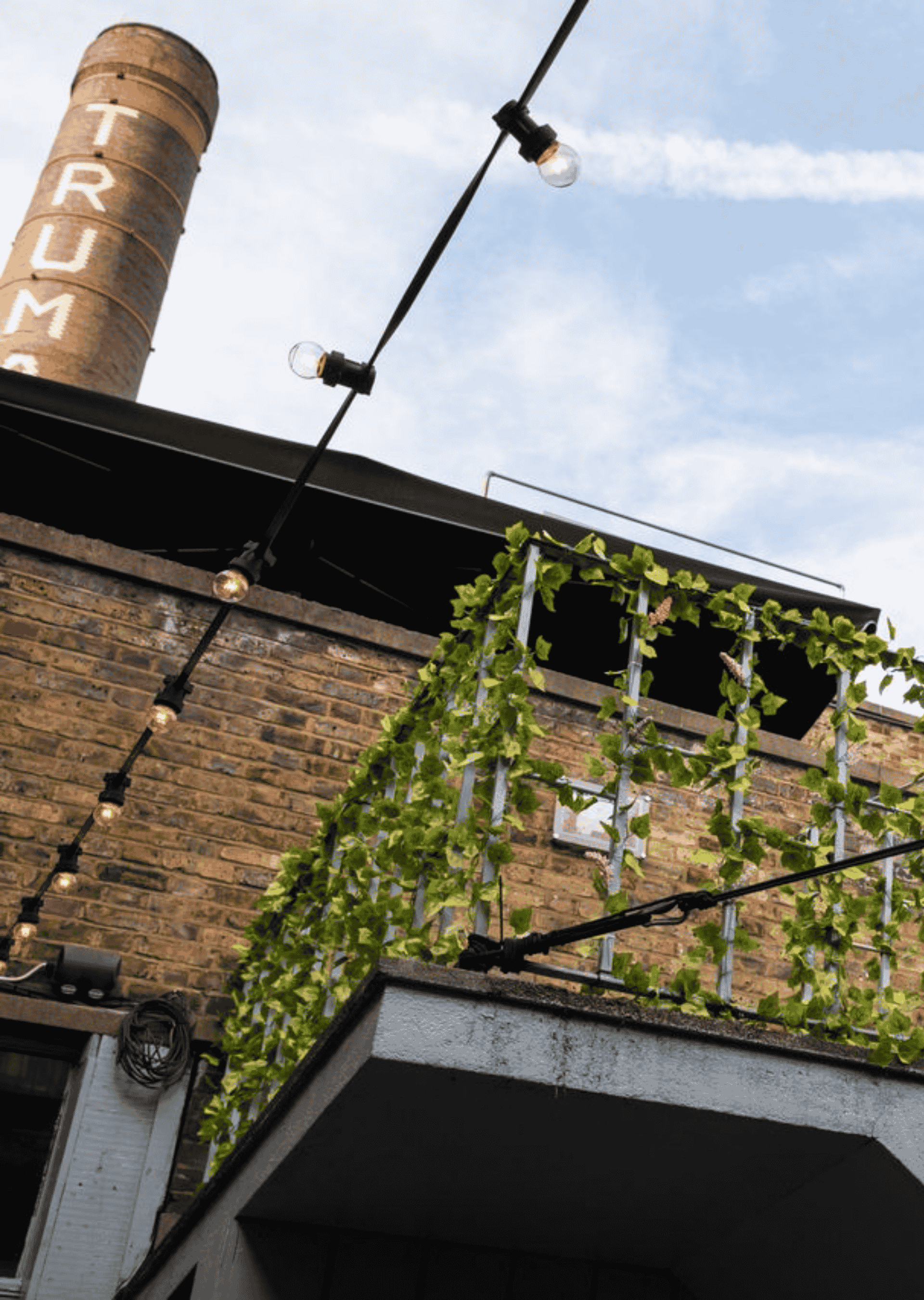
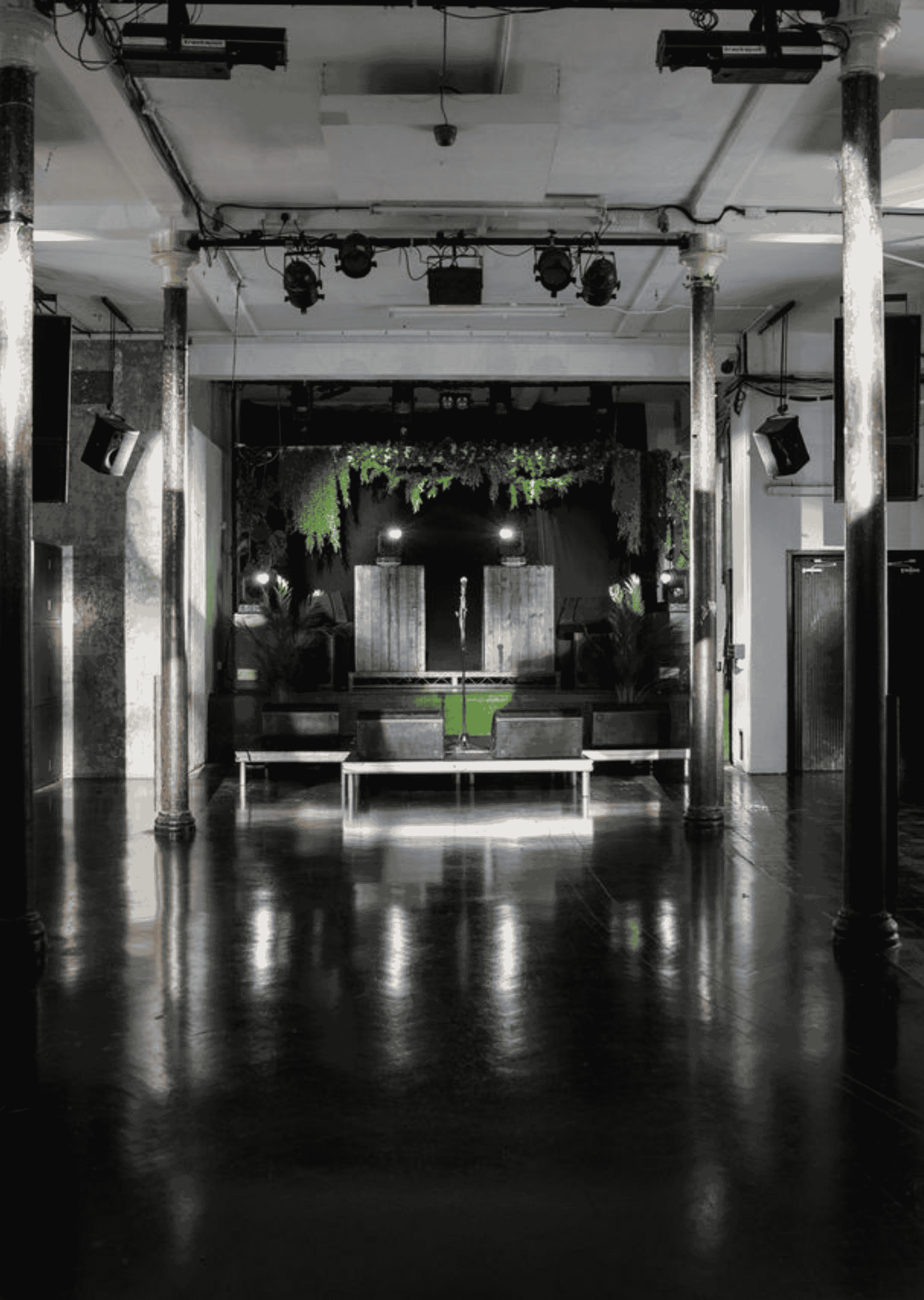
That's why some of London's most exciting corporate events aren't taking place inside anonymous hotel conference suites anymore. They're happening in converted warehouses, industrial spaces, rooftop terraces and creative neighbourhoods that have a personality all of their own.
Because when every brand is fighting for attention, blending in has become the biggest risk of all.
Every business spends time thinking about its identity.
You carefully choose your logo, colours, website, social media, tone of voice and marketing campaigns because you understand that perception matters. Every touchpoint tells people something about who you are and what you stand for.
Then, once a year, many companies invite hundreds of employees, clients or partners into a room that could quite easily be hosting a sales conference at 9am, a wedding reception at 2pm and a bingo night by seven.
It's an odd contradiction.
Your event venue isn't just somewhere people gather. It's an extension of your brand. Long before the first presentation begins or the welcome drinks are served, guests have already started forming an opinion based on where you've chosen to bring them.
If you're an innovative technology company, does a generic function room communicate innovation?
If you're a fashion brand launching a new collection, does a low ceiling and fluorescent lighting reflect creativity?
If you're trying to inspire your team after a year of hard work, does an anonymous conference suite really create the atmosphere you're hoping for?
Probably not.
That's why so many modern businesses are beginning with a different question altogether. Instead of asking, "Which venue has enough space?" they're asking, "Which venue feels like us?"
Think back to the best corporate event you've ever attended.
Chances are you don't remember the seating plan.
You probably couldn't tell anyone what colour the carpet was or how many breakout rooms there were.
What you do remember is the feeling.
You remember arriving somewhere that immediately felt exciting. You remember conversations spilling out into an outdoor courtyard, music drifting through the venue as the evening gathered pace, discovering interesting corners you hadn't expected and leaving feeling like you'd experienced something rather than simply attended another work event.
That's because people remember emotion far more than logistics.
The venue creates that emotion.
It's the difference between guests checking their watches after the keynote and guests looking at the time in disbelief because they genuinely don't want the evening to end.
For years, convenience won.
Easy parking.
Standard packages.
Identical layouts.
Everything neatly wrapped up in one predictable booking.
There's absolutely nothing wrong with practicality, but businesses are increasingly realising that memorable events are rarely built around convenience alone.
Character matters.
History matters.
Atmosphere matters.
People are naturally drawn towards spaces that tell a story, whether that's an old railway arch, a Victorian warehouse, an industrial courtyard or a building that's become part of London's cultural fabric. Those details create conversation before anyone has even ordered their first drink.
Nobody walks into an interesting venue and says, "I wish this felt a bit more like a hotel meeting room."
The opposite happens.
Guests start exploring.
They take photos.
They strike up conversations.
They become curious.
Without realising it, the venue has already started doing some of the hard work for you.
Corporate events used to revolve around schedules.
Registration.
Coffee.
Presentation.
Lunch.
Presentation.
Home.
Thankfully, we've moved on.
Today's events are designed around experiences because businesses understand something that's incredibly simple but surprisingly easy to forget.
People don't build relationships by staring at PowerPoint slides.
They build relationships over conversations.
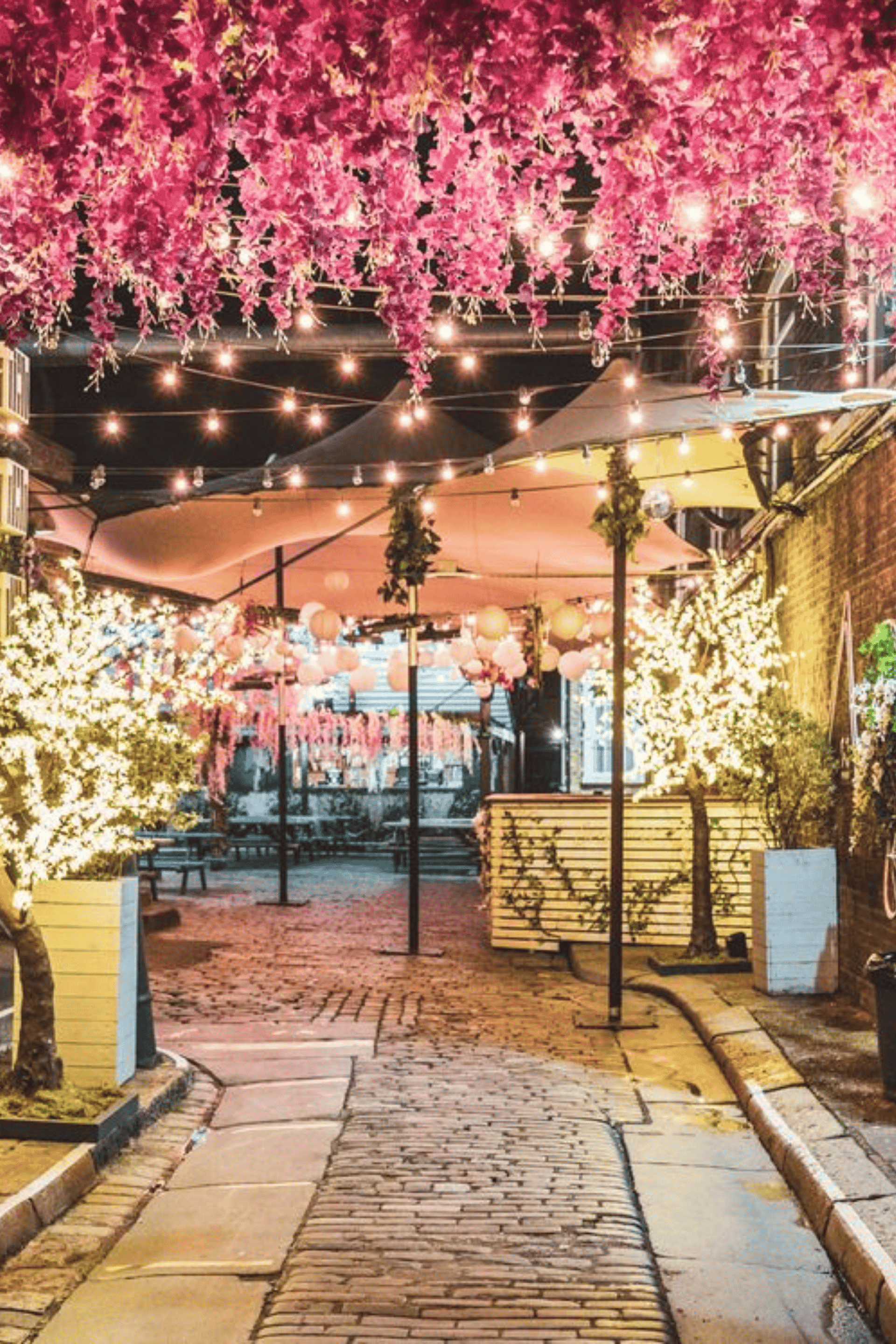
That might happen while sharing street food beneath festoon lighting, chatting over cocktails in a courtyard, wandering between indoor and outdoor spaces or discovering a neighbourhood they've never properly explored before.
The most successful corporate events don't force networking.
They create an environment where networking happens naturally.
That's a very different philosophy from simply filling a room with tables and hoping for the best.
If you want to understand why businesses are moving away from traditional conference venues, spend an afternoon wandering around Brick Lane.
Within a few streets you'll find independent cafés, galleries, music venues, creative agencies, fashion studios, historic warehouses and some of London's best food, all sitting comfortably alongside one another without ever feeling overly polished or manufactured.
That's exactly the appeal.
East London doesn't pretend to be something it isn't.
It has personality.
For brands, that's incredibly valuable because the location becomes part of the event itself. Guests arrive early for coffee, stay afterwards for dinner or drinks, wander through the neighbourhood and leave feeling like they've experienced a corner of London rather than simply commuting to another meeting.
The event doesn't begin at the registration desk.
It begins the moment people step onto the street.
For a long time, luxury meant chandeliers, marble reception desks and crisp white tablecloths.
Today, luxury often looks very different.
It looks like flexibility.
It means having a venue that evolves throughout the day instead of forcing every part of the event into the same four walls. Arrival drinks outside. Presentations indoors. Food served across different spaces. Conversations continuing long after the formal agenda has finished.
That's why venues with multiple environments have become so popular. They allow an event to breathe, giving guests different settings for different moments instead of asking them to remain seated in exactly the same place for six hours.
The result feels less like a conference and more like an experience.
This isn't really the end of the hotel conference suite.
Hotels will always have an important place in the events industry, and for many businesses they'll remain exactly the right choice.
What's changing is expectation.
Brands have become more creative.
Employees have become more selective about where they spend their time.
Clients expect experiences that feel considered rather than convenient.
Events have become content, culture and community all rolled into one, and that means the venue has never mattered more.
The businesses creating the most memorable events aren't simply booking a room anymore.
They're choosing spaces with stories, neighbourhoods with energy and venues that reflect who they are before anyone says a single word.
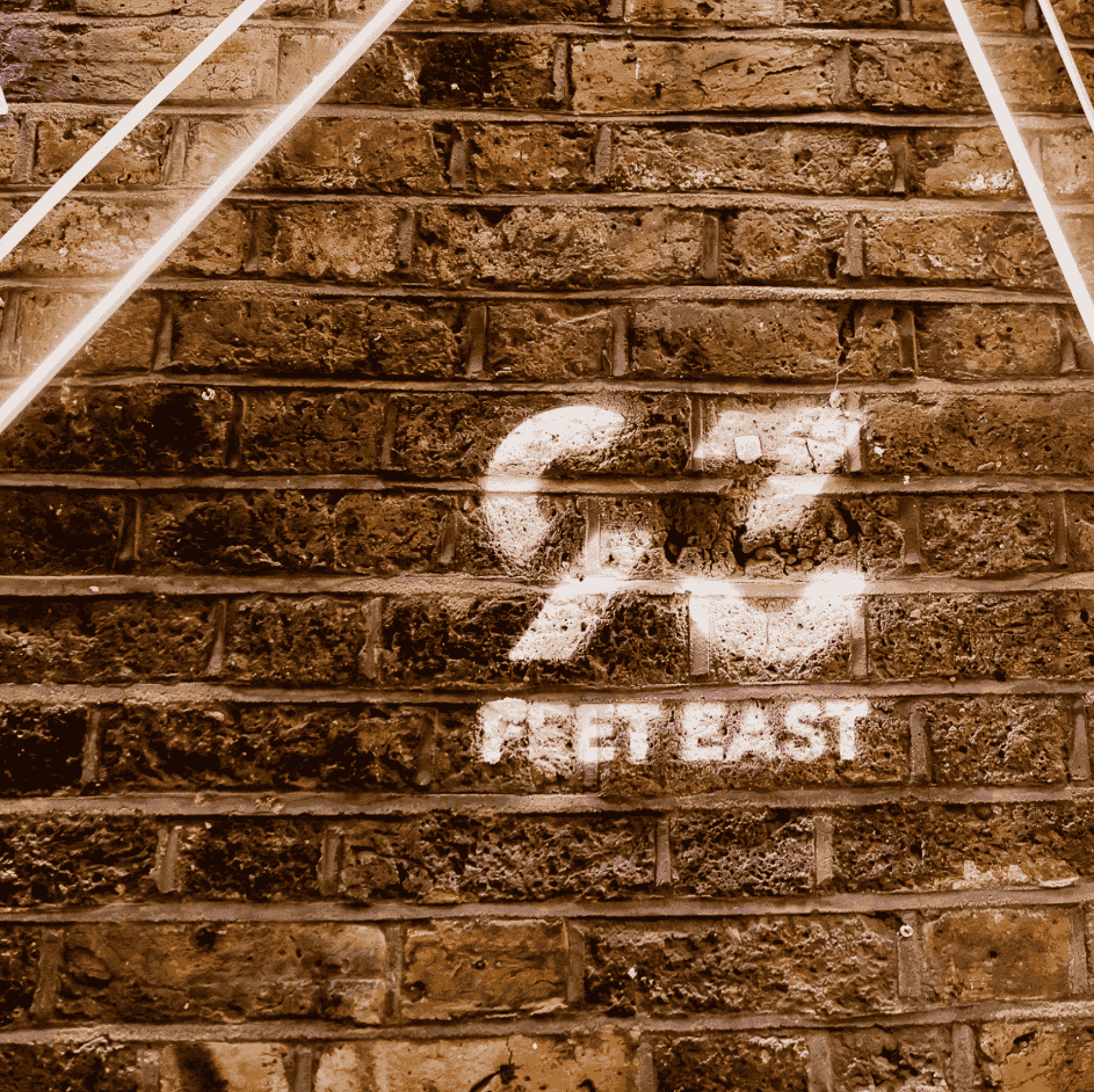
That's exactly why places like 93 Feet East continue to attract brands looking for something different. Sitting in the heart of Brick Lane, surrounded by one of London's most creative neighbourhoods, it offers something that no generic conference suite ever could: character. And in a world where every brand is trying to stand out, character might just be the most valuable feature a venue can have.